ESP32 Wi-Fi Penetration Tool
بواسطة : عبدالرحمن مهدي
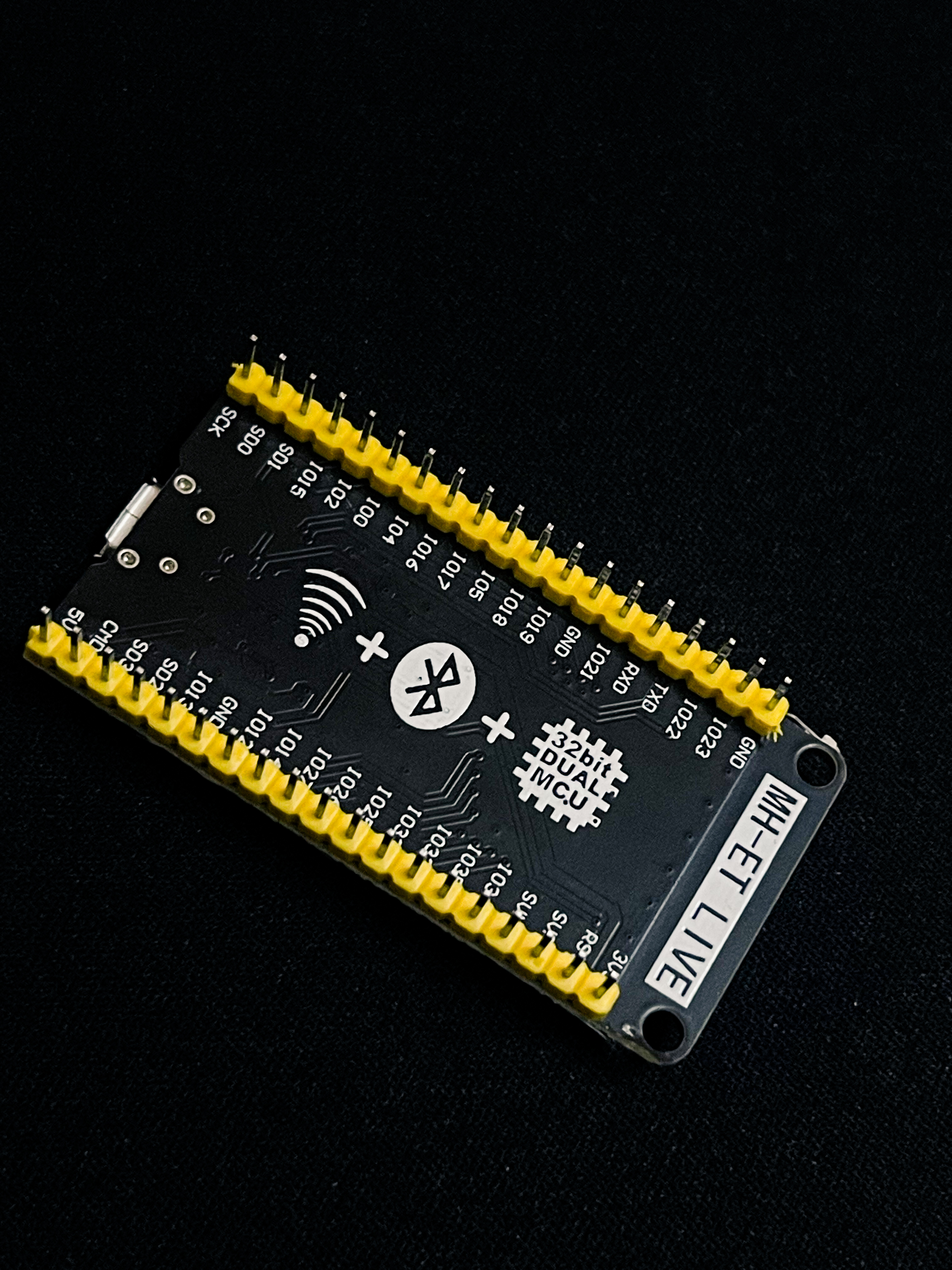
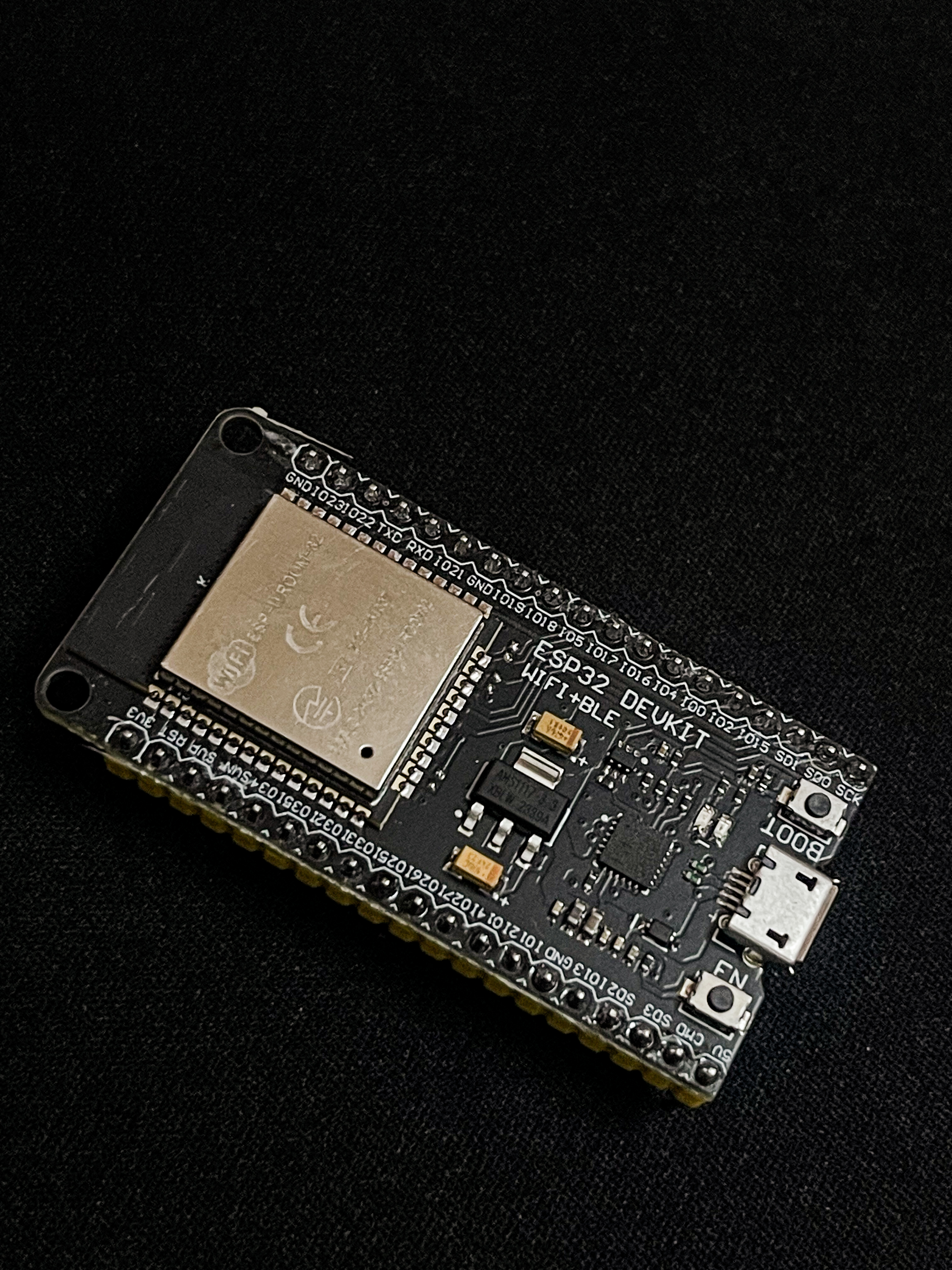
يعد هذا المشروع توظيفًا لجهاز ESP32 في تنفيذ اختبارات اختراق شبكات الواي فاي ضمن بيئة تعليمية وأكاديمية، لفهم أنماط الهجوم السيبراني وتحليل الشبكات اللاسلكية، مع التركيز على الجانب الدفاعي والوقائي.
فكرة المشروع وأهدافه :
تمثلت فكرة المشروع في برمجة جهاز ESP32 باستخدام بيئة ESP-IDF ليكون أداة لاختبار اختراق شبكات Wi-Fi عبر تنفيذ عدة أنواع من الهجمات, مع مراقبة وتحليل البيانات باستخدام Wireshark وتحليل ملفات المصادقة باستخدام Aircrack-ng.
الأدوات والمكتبات المستخدمة
جهاز ESP32
بيئة التطوير ESP-IDF v4.4
Docker عبر ESP-IDF
مكتبات مثل esp_netif، esp_system، esp_event، esp_wifi
أدوات تحليل الحزم مثل Wireshark وAircrack-ng
نظام Kali Linux
أدوات مساعدة مثل grep للبحث في الكود المصدري
خطوات العمل التفصيلية
إعداد بيئة Docker وتشغيل ESP-IDF
تحميل مشروع ESP32 والتعرف عليه
تنفيذ عمليات flash و build للمشروع
الوصول إلى واجهة الإدارة وبدء الهجمات
مراقبة الشبكة باستخدام Wireshark وتحليل نتائج الهجوم
المشاكل والتحديات التي واجهتني مع حلولها
خطأ في ربط منفذ USB: الحل باستخدام المسار الصحيح
ضرورة الضغط على زر Boot أثناء الرفع
خطأ في معرفة كلمة مرور شبكة الإدارة: تم استخدام grep وحل مشكلة CMakeLists بالانتقال إلى مجلد المشروع الصحيح
تحليل ملفات PCAP باستخدام الأدوات المناسبة
تحليل نتائج الهجمات
نجاح في إبطاء وفصل الأجهزة عن الشبكة
تم اعتراض بيانات المصادقة
تم الحصول على handshake وتحليله لاحقًا
دور Wireshark في مراقبة وتحليل الشبكة
تم استخدام Wireshark لمراقبة الحزم وتحليل بروتوكولات المصادقة EAPOL أثناء تنفيذ الهجمات المختلفة.
كيفية التعامل مع ملفات PCAP وHCCAPX
تم تحويل وتحليل ملفات PCAP باستخدام Aircrack-ng، واستخدام ملفات HCCAPX مع أدوات كسر كلمات المرور.
الخلاصة والتوصيات المستقبلية
يعد المشروع تجربة عملية ناجحة في مجال الأمن السيبراني الهجومي، حيث ساهم في تعزيز مهارات تحليل الشبكات واكتشاف الثغرات اللاسلكية. يمكن توسيع نطاق المشروع ليشمل آليات الحماية والدفاع، مع تطبيق تقنيات كشف التسلل (IDS) ودمج تقنيات تعلم الآلة لتحليل البيانات.
English Version
This project utilizes the ESP32 device to perform Wi-Fi penetration testing in an educational and academic environment, aiming to understand cyber attack patterns and analyze wireless networks, with a focus on defensive and preventive aspects.
Project Idea and Objectives:
The project's concept involved programming an ESP32 device using the ESP-IDF environment to create a tool for testing Wi-Fi network penetration by executing various attack types such as: PMKID and Docker, while monitoring and analyzing data using Wireshark and analyzing authentication files using Aircrack-ng.
Tools and Libraries Used
ESP32 device
ESP-IDF v4.4 development environment
Docker via ESP-IDF
Libraries such as esp_netif, esp_system, esp_event, esp_wifi
Packet analysis tools like Wireshark and Aircrack-ng
Kali Linux system
Helper tools like grep for source code searching
Detailed Work Steps
Setting up Docker environment and running ESP-IDF
Downloading the ESP32 project and familiarizing with it
Performing flash and build operations for the project
Accessing the management interface and initiating attacks
Monitoring the network using Wireshark and analyzing attack results
Challenges Faced and Their Solutions
USB port connection error: Solved by using the correct path
Necessity to press the Boot button during upload
Error in identifying management network password: Used grep and solved CMakeLists issue by moving to the correct project folder
Analyzing PCAP files using appropriate tools
Attack Results Analysis
Success in slowing down and disconnecting devices from the network
Authentication data was intercepted
Handshake was obtained and analyzed later
Wireshark's Role in Network Monitoring and Analysis
Wireshark was used to monitor packets and analyze EAPOL authentication protocols during various attacks.
How to Handle PCAP and HCCAPX Files
PCAP files were converted and analyzed using Aircrack-ng, and HCCAPX files were used with password cracking tools.
Conclusion and Future Recommendations
The project represents a successful practical experiment in offensive cybersecurity, as it enhanced network analysis skills and wireless vulnerability discovery. The project scope could be expanded to include protection and defense mechanisms, while implementing Intrusion Detection Systems (IDS) and integrating machine learning techniques for data analysis.